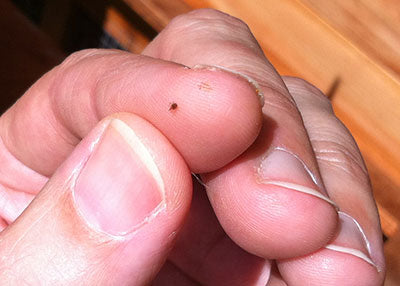
Learning how to prevent red mites is the single most valuable skill a backyard chicken keeper can build, because stopping these tiny parasites before they take hold is far easier than fighting an established infestation. Red mites are nocturnal, blood-sucking parasites that hide in your coop by day and feed on roosting hens by night. They can appear at any time of year, but the warmth of summer creates ideal conditions for them to multiply fast.
Short answer: To prevent red mites, keep the coop clean and dry, choose smooth easy-clean surfaces that leave nowhere for mites to hide, inspect perches and crevices regularly, check your birds often, and quarantine any new or second-hand additions before they join the flock.
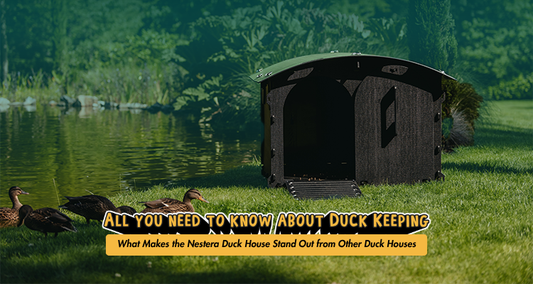
Nestera chicken coops are designed and made specifically to be red-mite resistant, with smooth recycled-plastic surfaces and no timber cracks for parasites to shelter in. Below are five practical red-mite prevention habits that help keep your birds free from these unwelcome pests.

1. Watch for the early warning signs of red mites
The best way to prevent red mites from becoming a full infestation is to catch them early. Have you noticed your chickens no longer want to go into the coop at night, preferring to sleep outside instead? Do they seem weaker, paler in the comb, or more lethargic than usual?
If so, it is time to thoroughly check the inside of your coop for evidence of red mites. A simple detection method is to wrap a piece of cardboard around the perch and look inside the following morning for any mites hiding there. For a step-by-step routine, see our guide on how to check your hen for lice and red mites, and learn what an infestation actually looks like in how to recognize red mites and their effects on poultry.

2. Clean the coop regularly to stop red mites
Coop hygiene is the foundation of red-mite prevention. Ideally, droppings trays should be refreshed every morning, with the coop given a quick clean-out each week to remove any droppings that missed the trays. Once a month, empty the coop completely, brush out every corner, and then rinse the inside and outside with a hose or pressure washer.
This is where the material of your coop makes a real difference. Traditional wooden coops have countless cracks, joints, and grain lines where red mites shelter and lay eggs by day, and damp timber stays wet long after cleaning. Nestera coops are made from 70% recycled plastic with smooth, easy-clean surfaces and large rear hatches, removable roofs, and detachable nest boxes, so there are very few places for mites to hide. The non-porous plastic also dries extremely quickly, so cleaning is faster and the coop spends less time damp. If you keep your droppings trays in heavy use, a spare set of droppings trays makes the daily routine even easier.
3. Choose bedding and trays that don't shelter red mites
Many keepers spread straw on the coop floor to catch droppings, but red mites love straw: the hollow strands are a perfect daytime hiding place. Better options for droppings trays include wood chips, sawdust, or wood ash, which give mites far fewer places to retreat.
It has even been noted that keepers historically used dried fern as a natural red-mite repellent. You can dry fern leaves yourself and add them to your droppings trays as an extra preventative measure. For a fuller comparison of materials, see our guide to the best bedding for chicken coops.

4. Limit contact with wild birds
Red mites often arrive on the backs of wild birds. Visiting birds may use your chickens' feeder or waterer and leave parasites behind, which then climb onto a hen and ride straight into the coop. Reducing that contact is a key way to avoid red mites.
Using a net or an anti-pest feeder limits the food scraps that attract wild birds, which in turn limits contamination of your flock's environment. Keeping feed tidy and stored, and cleaning up spillage promptly, removes the open invitation that draws unwanted visitors to the coop in the first place.
5. Inspect and quarantine new and second-hand birds
Whenever you expand your flock or replace a lost bird, quarantine every new arrival before introducing it to your existing hens. This prevents red mites, and other parasites, from being carried in from the environment the new bird came from. Inspect each new bird closely for any signs of disease or parasites, and watch them for a couple of weeks before integration. Our guide on how to introduce new hens to your flock walks through a calm, safe process.
The same caution applies to second-hand equipment. A used coop, perch, or feeder can carry dormant mites or eggs in its crevices, so scrub and disinfect any second-hand kit thoroughly before it goes anywhere near your birds.

Be extra vigilant in warm weather
Red mites breed fastest in warm, humid conditions, so summer is when prevention matters most. During hot spells, check perches and crevices weekly rather than monthly, run the cardboard-on-the-perch test more often, and pay close attention to how willingly your birds settle at dusk. A snug, well-ventilated, easy-clean coop that dries quickly gives mites the least opportunity to establish when the temperature climbs.
What to do if you find red mites in your coop
If you do find red mites, clean the coop thoroughly as soon as possible. Nestera coops can be quickly dismantled and reassembled, so you can reach every surface. Use a stiff brush to get into every corner and any spot where mites might be hiding, then hose or pressure-wash all surfaces. The recycled plastic dries fast, so the coop is back in service quickly. For treatment beyond cleaning, including any products applied to your birds, always defer to your vet or a qualified poultry specialist rather than self-medicating. For a broader overview, read red mites: how to spot them, treat them, and prevent them.
Frequently asked questions about preventing red mites
How do I prevent red mites in my chicken coop?
Prevent red mites by keeping the coop clean and dry, using smooth easy-clean surfaces with few hiding spots, refreshing droppings trays daily, inspecting perches and crevices regularly, limiting contact with wild birds, and quarantining all new or second-hand additions.
What time of year are red mites most active?
Red mites can appear year-round but multiply fastest in warm, humid weather, so they are most active in summer. Increase your inspection frequency during hot spells.
Why are plastic coops better at resisting red mites than wooden ones?
Smooth recycled-plastic surfaces have very few cracks and crevices for mites to shelter and lay eggs in, and the non-porous material dries quickly after cleaning, so there is far less opportunity for mites to establish than in timber coops with their many joints and grain lines.
Can I get rid of red mites without chemicals?
Good prevention, frequent cleaning, mite-unfriendly bedding, and an easy-clean coop go a long way. If you find an infestation and are considering any treatment applied to your birds, consult your vet or a qualified poultry specialist before using any product.
Keep red mites out with an easy-clean coop
The easiest way to stay ahead of red mites is to make cleaning effortless and give parasites nowhere to hide. Explore our range of red-mite-resistant, easy-clean recycled-plastic chicken coops, designed with smooth surfaces, large hatches, and removable parts so a thorough clean takes minutes, not hours.