Can chickens and ducks live together? The honest answer is yes, they can coexist with the right setup and a little care, but it takes more planning than most beginners expect. Chickens and ducks have very different needs, and housing them carelessly in one coop leads to mess, stress, and health problems for both. Below are the six biggest challenges of keeping chickens and ducks together, plus practical tips for making it work if you decide to mix your flock.
Short answer: Chickens and ducks can share outdoor space, but they should ideally have separate housing. Ducks need bathing water, a niacin-rich diet, and a dry ground-level bed, while chickens want a clean, dry coop with raised perches. Plan for those differences and a mixed flock can thrive.
1. Different Water Needs: Why Ducks and Chickens Don't Mix Easily
Ducks need access to water for swimming, bathing, and keeping their bills and eyes clean. Chickens, by contrast, are happy drinking from a standard waterer and actively dislike damp, muddy conditions.
Mixing the two creates a real conflict. A shallow chicken waterer won't give ducks enough water to bathe, while a tub deep enough for ducks poses a drowning risk to chicks and less agile adult hens. Ducks also splash, dabble, and muddy their water constantly, so the open water sources ducks love quickly become too contaminated for chickens to drink from. This is one of the main reasons keeping chickens and ducks together can get complicated fast.

2. Diet Differences: Ducks and Chickens Don't Eat the Same Feed
Chickens and ducks have different dietary requirements, so a single feed rarely suits both well. Ducks tend to take their food much wetter, dunking it in water as they eat, which can lead to sour crop issues if chickens pick at the same soggy feed.
There are also ingredient differences to watch. Ducklings generally need more niacin (vitamin B3) than chick feed provides, and a niacin shortfall can affect their leg development. On top of that, some medicated chick crumbles contain a coccidiostat to prevent coccidiosis, and certain coccidiostats can be harmful to ducklings. Feed ingredients and dosing vary by product, so always read labels carefully and check with your vet or a qualified poultry specialist before feeding a medicated ration to ducks.
3. Housing and Roosting: Ducks Sleep on the Ground, Chickens Roost
At night chickens prefer to perch up high, while most ducks bed down on the ground. Put them in the same coop and the ducks often end up getting pooped on from above by the roosting hens, which is unpleasant and unhygienic.
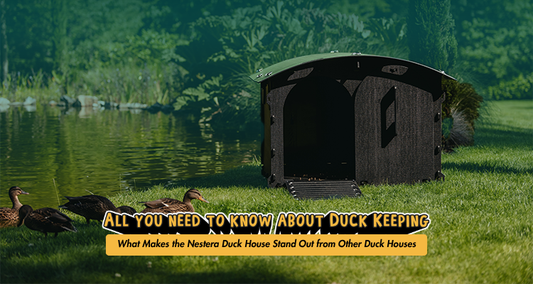
There's a humidity problem, too. Ducks carry damp on their lower feathers and breathe out a lot of moisture, which raises humidity inside an enclosed coop. Combined with wetter droppings, that can drive up ammonia levels, leaving chickens more prone to respiratory infections and making the whole coop harder to keep dry. Chickens want a clean, well-ventilated coop with raised perches; ducks want a dry, low, ground-level bed. Giving each species its own purpose-built housing solves the problem at the source. Our Nestera Duck House is designed for exactly this, with a low entrance and a spacious ground-level interior that suits ducks far better than a chicken coop ever will.

4. Social Dynamics and Bullying in a Mixed Flock
Chickens and ducks have different social structures and body language, and they don't always read each other well. Kept confined in close quarters, a mixed flock can fall into bullying, squabbling over food and water, or general stress for both species.
Drakes (male ducks) can be a particular issue. During breeding season a drake may try to mate with your hens, and because duck and chicken anatomy differ, this can injure or even kill a hen. If you keep a drake, watch flock behavior closely and give the birds plenty of space to get away from one another.
5. Health and Biosecurity Risks of Keeping Ducks and Chickens Together
Chickens and ducks can carry different diseases and parasites, so mixing them raises the overall risk of something spreading through your flock. Ducks can carry salmonella without showing symptoms, and waterfowl are generally more susceptible to avian influenza, which they can pass to chickens.
Historically, chickens and ducks were often kept together in the same yard. But as our understanding of biosecurity has grown, many poultry specialists now recommend separating the species, or at least giving them separate housing and water, to reduce cross-contamination. If you notice signs of illness in either species, don't try to diagnose or treat it yourself, contact your vet or a qualified poultry specialist.
6. Wet, Muddy Conditions Are Hard on Chickens
Ducks are simply messier than chickens, especially around water. They love to dabble, splash, and churn up wet ground, which quickly turns a shared run into the kind of muddy, damp environment chickens hate. Persistent wet conditions also contribute to foot problems like bumblefoot and make the whole area harder to keep clean.
If you do house ducks, easy-clean materials make a huge difference. The Nestera Duck House is made from the same durable, recycled-plastic construction as our chicken coops, so a quick hose-down is all it takes to get it sparkling again, no scrubbing soaked-in muck out of wooden corners.
If You Do Keep Chickens and Ducks Together: Practical Tips
Plenty of backyard keepers run a happy mixed flock. If you'd like to, here's how to give chickens and ducks the best chance of getting along:
- Give each species its own housing. Let chickens roost in a clean, dry coop and give ducks a separate, low, ground-level house like the Nestera Duck House. They can share daytime space without sharing a bed.
- Separate their water. Provide a deeper bathing source for ducks (sited so chicks can't fall in) and a clean, shallow waterer the chickens can drink from without it being fouled.
- Feed them appropriately. Offer feed suited to each species, supplement ducklings with niacin as needed, and avoid letting chickens eat medicated feed not intended for ducks. When in doubt, ask a poultry specialist.
- Give them room. A generous run or free-range area lets both species spread out, forage, and avoid conflict. Aim for plenty of outdoor space per bird, more is always better.
- Watch the drake. If you keep a male duck, monitor his behavior around your hens, especially in breeding season.
- Stay on top of biosecurity. Keep housing dry, clean water often, and watch both species for signs of illness.
New to ducks? Our beginner's guide to keeping ducks covers the essentials, and our roundup of 8 brilliant duck breeds for beginners can help you choose the right birds for your yard.
Frequently Asked Questions
Can chickens and ducks live together in the same coop?
They can share outdoor space, but they really shouldn't share the same coop overnight. Chickens roost up high while ducks bed down on the ground, and ducks add moisture and mess that make the coop damp and harder to keep healthy for chickens. Separate housing for each species is the better setup.
Can ducks and chickens share a coop and water source?
Sharing a single water source is one of the biggest problems with a mixed flock. Ducks need deep bathing water that's a drowning risk to chicks and quickly gets too dirty for chickens to drink. Give ducks their own bathing water and keep a clean, shallow drinker for the chickens.
Do ducks and chickens get along?
Often yes, with enough space. Many backyard keepers run a peaceful mixed flock by giving the birds room to forage and separate housing and water. Conflict is most likely when they're crowded together or when a drake harasses the hens, so plan for plenty of space and keep an eye on flock dynamics.
Is it safe to keep ducks and chickens together?
It can be, but there are health and biosecurity risks to manage, including salmonella and avian influenza, which waterfowl can carry. Keep housing and water separate where possible, maintain good hygiene, and consult your vet or a qualified poultry specialist if any bird shows signs of illness.
Thinking of adding ducks to your backyard? Give them housing that suits how they actually live, low, roomy, and built to handle the mess. Take a look at the Nestera Duck House, made from durable recycled plastic that hoses clean in seconds, and explore our recycled-plastic chicken coops to keep your hens dry, secure, and happy in their own space.