How to Get Rid of Red Mites: Spot Them, Treat Them & Prevent Them
Learning how to get rid of red mites comes down to three steps: spot an infestation early, clean your coop down thoroughly, and then keep mites out for good. Red mites are tiny blood-feeding parasites that hide in chicken coops by day and crawl onto your hens to feed at night, so they are easy to miss until the population has exploded. This guide walks you through spotting, treating, and preventing red mites in your chicken coop.
Short answer: To get rid of red mites, remove your birds, fully disassemble the coop, scrub every surface with hot soapy water, let it dry completely, and repeat over the mites' life cycle. Then prevent them with smooth, easy-clean housing, good hygiene, and quarantine for new birds. For any unwell bird or product or chemical treatment, speak to your vet or a qualified poultry specialist.

What Are Red Mites?
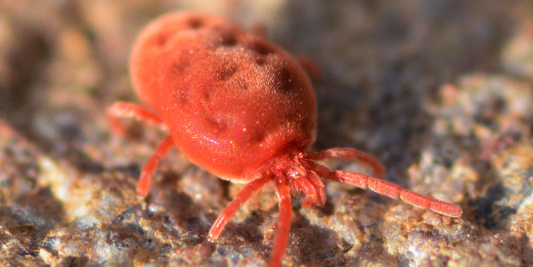
Red mites (Dermanyssus gallinae) are ectoparasites — parasites that live on the outside of their host — that feed on the blood of chickens while hiding in their housing. They are tiny and most active at night, which is exactly what makes detecting and treating them so tricky. By day they retreat into cracks and crevices in the coop; by night they crawl out to feed on roosting birds.
Red mites spread via wild birds, hitch a ride on new flock members, and lurk in second-hand wooden coops and equipment, so always source birds and gear from reputable suppliers. They are extremely common in commercial flocks, so take extra care when welcoming rescue or rehomed hens.
For a full identification rundown — what they are and the damage they do to poultry — see our companion guide on how to recognize red mites and their effects on poultry.
Why Do Red Mites Multiply So Quickly?
A red mite's life cycle from egg to egg-laying adult is just 5–10 days, so an infestation can spiral out of control fast. Adult females lay only 2–5 eggs at a time, but that short cycle makes population growth exponential. A single infested bird can support a population of 26,000+ mites within 9–10 weeks — now multiply that by the number of birds you keep. This speed is why catching red mites early, and repeating any treatment over the full life cycle, matters so much.
How to Spot Red Mites in a Chicken Coop
Spotting red mites early is the single best way to make treatment easier. Here is where and how to look.
What Do Red Mites Look Like?
Red mites look white or gray while juvenile and turn red or brown once they have fed as adults, so their color depends on age and whether they have recently had a blood meal. They are most active in spring, summer, and fall. Adults are roughly the size of a pinhead, so a cluster can look like a patch of moving dust.

Where to Look — and the White-Tissue Night Test
Red mites harbor in warm, dark places. Check the most common hiding spots:
- Perch ends and the joints where the perch meets the wall.
- Cracks and crevices where two surfaces meet, and any gaps in timber.
- Under felt roofing and inside tongue-and-groove joints — they love soft, porous wood.
- Around and under the nest boxes.
A reliable check is the white-tissue test: after dark, when mites are active and feeding, run a piece of white tissue or paper along the underside of the perches and into the cracks. If it comes away with reddish-brown smears, you have crushed feeding mites and confirmed an infestation. You can also look for an ash-like gray deposit (mite droppings and shed skins) on perch ends and in crevices.

Signs on Your Birds
Your hens will tell you something is wrong before you ever see a mite. Watch for birds that are reluctant to roost at night (they would rather sleep outside than face the coop), pale combs and wattles, weight loss, and a drop in egg laying. You might also feel itchy yourself after cleaning out the coop. To inspect an individual bird properly, follow our step-by-step guide on how to check your hen for lice and red mites. Red mites cause real suffering — anemia from blood loss, disease transmission, and in severe cases death — and broody hens are especially vulnerable, so stay vigilant. If a bird seems genuinely unwell, contact your vet or a qualified poultry specialist.
How to Treat Red Mites: A Thorough Coop Clean-Down
Once you have confirmed red mites, the foundation of getting rid of them is a thorough, repeated clean-down. The principle is simple: physically remove the mites and their eggs from every hiding place, and keep doing it across their life cycle so newly hatched mites do not rebuild the population.
- Remove your birds from the coop before you start.
- Disassemble the coop as far as it will go — take out perches, nest boxes, and any removable panels so you can reach every joint and crevice.
- Hose and scrub with hot soapy water, paying special attention to perch ends, cracks, corners, and the underside of roofing where mites hide.
- Let everything dry completely before reassembling. Damp, dark crevices are exactly what mites want.
- Repeat the clean-down every few days over the next couple of weeks. Because the egg-to-adult cycle is only 5–10 days, a single clean rarely catches every life stage — repeating it breaks the cycle.
Wooden coops make this much harder: mites burrow into porous timber, tongue-and-groove joints, and felt roofing where no amount of scrubbing fully reaches, which is why infestations so often come back in wooden housing.
A note on products and chemicals: there are powders, sprays, and treatments marketed for red mites, but the right choice and the correct, safe use depend on your flock and your region. For any product or chemical treatment — and for any bird that is unwell — please speak to your vet or a qualified poultry specialist rather than guessing. We do not recommend specific products or dosages here.
How to Prevent Red Mites in Your Chicken Coop
Prevention is far easier than treatment, and it comes down to giving mites nowhere to hide and no way in.
- Choose smooth, easy-clean housing. A chicken coop made from recycled plastic has smooth, crevice-free interior panels — there are no timber cracks, tongue-and-groove joints, or felt roofing for mites to colonize, and it wipes down in minutes.
- Keep up regular hygiene. Clean the coop often and remove damp bedding promptly so mite populations never get a head start.
- Run regular checks. Do the white-tissue night test periodically, especially through the warmer months when mites are most active, so you catch any new arrivals before they multiply.
- Quarantine new birds and second-hand kit. Isolate and inspect new or rehomed hens before adding them to the flock, and treat any second-hand coop, perch, or equipment as a potential mite carrier until you have cleaned it thoroughly.
For more on keeping infestations away year-round, see our 5 tips to avoid red mites in your chicken coop.
Why Nestera Coops Are Red Mite Resistant
If red mites do find their way into a Nestera plastic coop, getting rid of them is genuinely straightforward: remove your birds and wipe the smooth interior down with a cloth rinsed in hot soapy water. There are no porous joints or hidden crevices for mites to retreat into, and because the panels are recycled plastic, the coop dries in moments — no waiting around for wooden panels to dry out.

Every Nestera plastic chicken coop is designed for quick, easy cleaning, with large rear hatches, removable roofs, and detachable nest boxes. Made from 70% recycled plastic with smooth, crevice-free interior panels, our coops leave red mites nowhere to hide — and they are UV-protected and backed by a 25-year guarantee.
Red Mite FAQ
How do I get rid of red mites fast?
Remove your birds, fully disassemble the coop, scrub every surface with hot soapy water, dry it completely, and repeat the clean-down every few days over the next couple of weeks to catch newly hatched mites. For any product, chemical, or treatment of an unwell bird, consult your vet or a qualified poultry specialist.
How do I know if my chickens have red mites?
Do the white-tissue night test — wipe a white tissue along the underside of the perches after dark and look for reddish-brown smears. Other signs include hens reluctant to roost, pale combs, weight loss, fewer eggs, and ash-like gray deposits in coop crevices.
Can red mites live in plastic coops?
Red mites strongly prefer porous wood, tongue-and-groove joints, and felt roofing where they can burrow and hide. A smooth recycled-plastic coop has no such crevices, so mites struggle to establish and any that arrive wipe away easily with hot soapy water.
How quickly do red mites multiply?
Very quickly — the egg-to-adult cycle is only 5–10 days, and one infested bird can support 26,000+ mites within 9–10 weeks. That is why early detection and repeated treatment over the life cycle are essential.
Beat Red Mites for Good
The most reliable way to stop fighting red mites is to remove their hiding places altogether. Browse our range of easy-clean, red mite resistant recycled-plastic chicken coops and customize your own — smooth, crevice-free, and backed by a 25-year guarantee.